

Introduction
Focus techniques for students are more important today than ever before. With constant distractions like social media, mobile phones, and endless notifications, it has become difficult for students to concentrate on their studies. Many students sit for hours with books open but still feel unproductive. This happens because they lack proper focus strategies. Learning how to concentrate effectively is not just about working harder but working smarter. When students use the right focus techniques, they can complete tasks faster and remember information better. This leads to improved academic performance and reduced stress levels. In addition, strong focus skills help students build discipline and confidence. Whether you are preparing for exams or trying to complete daily homework, having the right approach makes a big difference. In this article, we will explore practical and easy-to-follow focus techniques for students. These methods are designed for beginners and intermediate learners who want to boost their productivity. By applying these strategies consistently, students can develop long-term habits that support both academic success and personal growth.
What is Focus Techniques for Students?
Focus techniques for students refer to methods and strategies that help learners concentrate on their studies without distractions. These techniques train the mind to stay engaged with tasks for longer periods. Instead of feeling overwhelmed or distracted, students can manage their time and energy more effectively. Focus techniques include simple habits like creating a study schedule, eliminating distractions, and using active learning methods. They also involve mental strategies such as mindfulness and goal setting. The main purpose is to improve attention span and make studying more efficient. When students use these techniques, they can absorb information faster and retain it for a longer time. In simple terms, focus techniques are tools that help students stay on track and achieve better results.
Why is Focus Techniques for Students Important?
Focus techniques for students are essential because they directly impact learning outcomes. Without proper focus, students may struggle to understand concepts and complete assignments on time. This can lead to frustration and low confidence. However, when students learn to concentrate effectively, they become more productive and motivated. Strong focus skills also help in reducing procrastination. Instead of delaying tasks, students can start and finish their work on time. Moreover, focus techniques improve memory retention. When the mind is fully engaged, it processes information more deeply. This makes it easier to recall during exams. Another important benefit is stress reduction. Students who manage their time and attention well feel more in control of their workload. As a result, they experience less anxiety. Overall, focus techniques play a key role in academic success and personal development.
Detailed Step-by-Step Guide
Step 1: Set Clear Goals
Start by defining what you want to achieve in each study session. Clear goals give direction and purpose. For example, instead of saying “I will study math,” say “I will complete two chapters of algebra.” This makes your task specific and manageable.
Step 2: Create a Study Schedule
A proper schedule helps students stay organized. Divide your study time into blocks and assign subjects to each block. Make sure to include short breaks. Following a routine trains your brain to focus at specific times.
Step 3: Remove Distractions
Distractions are the biggest enemy of focus. Keep your phone away or turn off notifications. Choose a quiet place for studying. If possible, inform family members not to disturb you during study time.
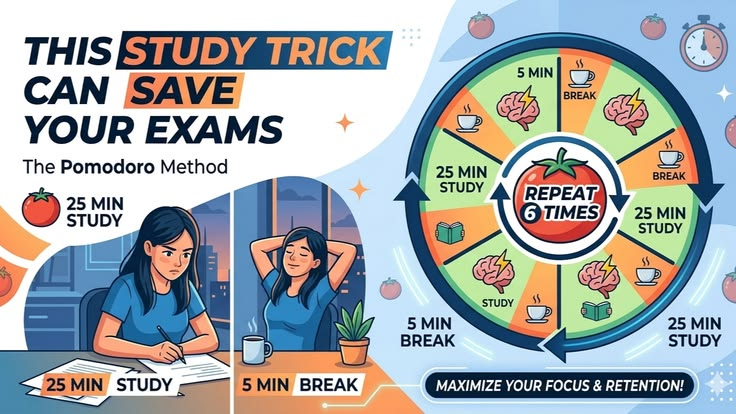
Step 4: Use the Pomodoro Technique
The Pomodoro technique is a popular focus method. Study for 25 minutes and then take a 5-minute break. After four sessions, take a longer break. This method keeps your mind fresh and prevents burnout.
Step 5: Practice Active Learning

Instead of just reading, engage with the material. Take notes, ask questions, and summarize what you learn. Active learning improves understanding and keeps your mind focused.
Step 6: Stay Organized
Keep your study materials neat and accessible. A clean workspace reduces stress and helps you concentrate better. Use folders, notebooks, and planners to stay organized.
Step 7: Take Care of Your Health
Good health supports better focus. Get enough sleep, eat healthy food, and stay hydrated. Regular exercise also improves brain function and concentration.
Benefits of Focus Techniques for Students
- Improves concentration and attention span
- Helps complete tasks faster and efficiently
- Enhances memory and understanding
- Reduces stress and anxiety
- Builds discipline and self-control
- Increases academic performance
- Encourages better time management
Disadvantages / Risks
- Requires consistency and effort
- May feel difficult in the beginning
- Not all techniques work for everyone
- Can lead to frustration if expectations are too high
- Over-planning may reduce flexibility
Common Mistakes to Avoid
Many students try to apply focus techniques but fail due to simple mistakes. One common mistake is setting unrealistic goals. When goals are too big, students feel overwhelmed. Another mistake is ignoring breaks. Continuous studying without rest reduces efficiency. Students also often multitask, which reduces focus. Instead of doing multiple tasks, focus on one task at a time. Poor sleep habits also affect concentration. Without proper rest, it is difficult to stay alert. Another mistake is not tracking progress. Students should review their performance regularly to identify areas of improvement. Avoiding these mistakes can make focus techniques more effective.
FAQs
1. What are the best focus techniques for students?
The best focus techniques for students include setting goals, removing distractions, using the Pomodoro technique, and practicing active learning. These methods are simple and effective for improving concentration.
2. How can I improve my concentration while studying?
You can improve concentration by creating a quiet study environment, following a schedule, and taking regular breaks. Staying healthy and getting enough sleep also helps.
3. Why do I lose focus easily?
Students lose focus due to distractions, lack of interest, stress, or poor time management. Identifying the cause can help you choose the right solution.
4. How long should I study in one session?
It is recommended to study for 25 to 50 minutes and then take a short break. This keeps your mind fresh and focused.
5. Can focus techniques improve exam performance?
Yes, focus techniques help students understand and remember information better, which leads to improved exam results.
6. Are focus techniques useful for all students?
Yes, focus techniques for students are helpful for everyone. However, each student may need to adjust methods based on personal preferences.
Expert Tips & Bonus Points
Experts suggest starting small when applying focus techniques. Do not try to change everything at once. Begin with one or two strategies and gradually add more. Consistency is more important than perfection. Another useful tip is to reward yourself after completing tasks. This creates positive motivation. Using visual tools like charts and planners can also improve focus. Students should also reflect on their progress regularly. This helps in identifying what works best. Listening to soft instrumental music may help some students concentrate better. However, it depends on individual preference. Finally, stay patient and committed. Developing strong focus skills takes time, but the results are worth the effort.
Conclusion
Focus techniques for students are essential tools for achieving academic success in today’s fast-paced world. Many students struggle with distractions and lack of concentration, but the right strategies can make a big difference. By setting clear goals, creating a structured study plan, and removing distractions, students can improve their productivity. Techniques like the Pomodoro method and active learning help keep the mind engaged and prevent burnout. In addition, maintaining good health supports better concentration and overall performance. While it may take time to build these habits, consistent effort leads to long-term benefits. Students who practice focus techniques regularly develop discipline, confidence, and better time management skills. These qualities not only help in studies but also in personal and professional life. It is important to remember that every student is different, so finding the right combination of techniques is key. Start small, stay consistent, and keep improving. With dedication and the right approach, any student can master the art of focus and achieve their goals.
